
Sub 4:30 in Manchester? Start building now.
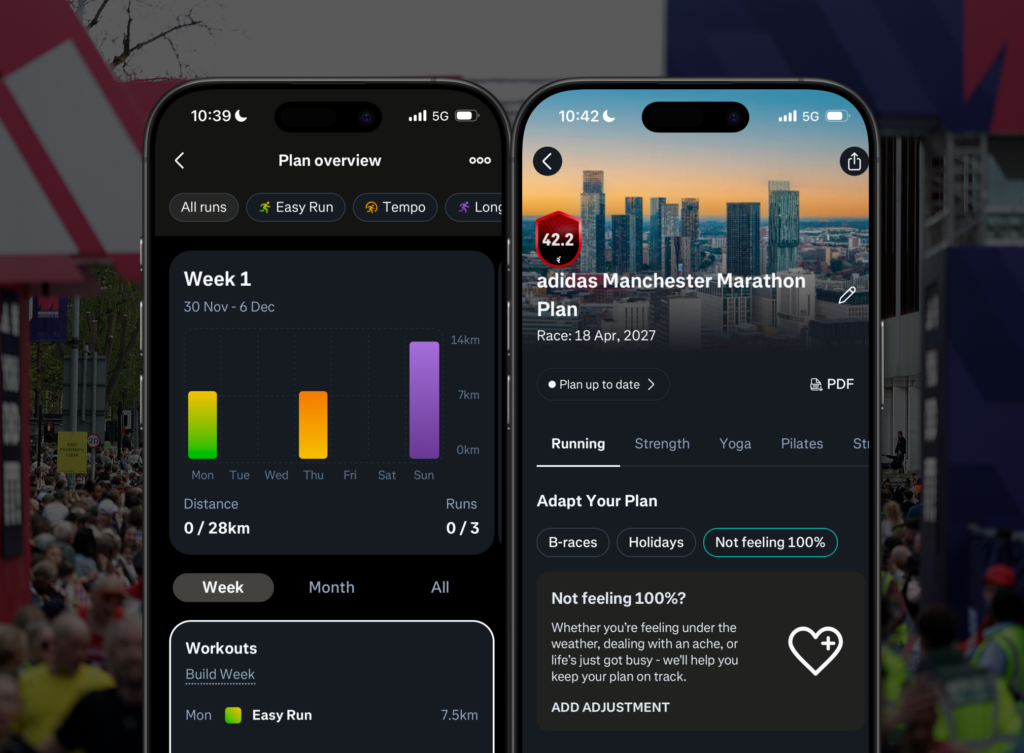
You’ve got 20 weeks. Runna knows how to get you there, and the earlier you start, the more steadily you can build the aerobic base fitness your sub-4:30 is on.

What a head start gives your sub-4:30 training
01. A gradual build your body can adapt to
Marathon training requires building up your weekly running volume (mileage). To reduce injury risk and burnout, you should increase mileage gradually, by no more than 10% a week, and keep most runs at an easy, conversational effort. A longer runway gives your body time to adapt, with smaller steps up, not sudden ones.
How to increase your running mileage safely. Read more on Runna
02. Build your base fitness first with easy running
The stronger your aerobic base fitness is, the longer you can keep running at a comfortable effort. You build it with relaxed, conversational running, often called Zone 2, where you could chat in full sentences. It builds over months, not weeks, so starting now banks more easy weeks and makes every run feel more comfortable.
Why easy running helps you run faster. Read more on Runna
03. Confidence at different paces
Marathon training shouldn’t have to be boring. Mixing easy runs with intervals and tempo workouts keeps it varied and teaches your body what each pace feels like. Intervals aren’t just for experienced runners; they’re for everyone. Start early and you’ve got time to become far more confident at a range of paces.
More on tempo and interval workouts.
04. Strength that protects your training
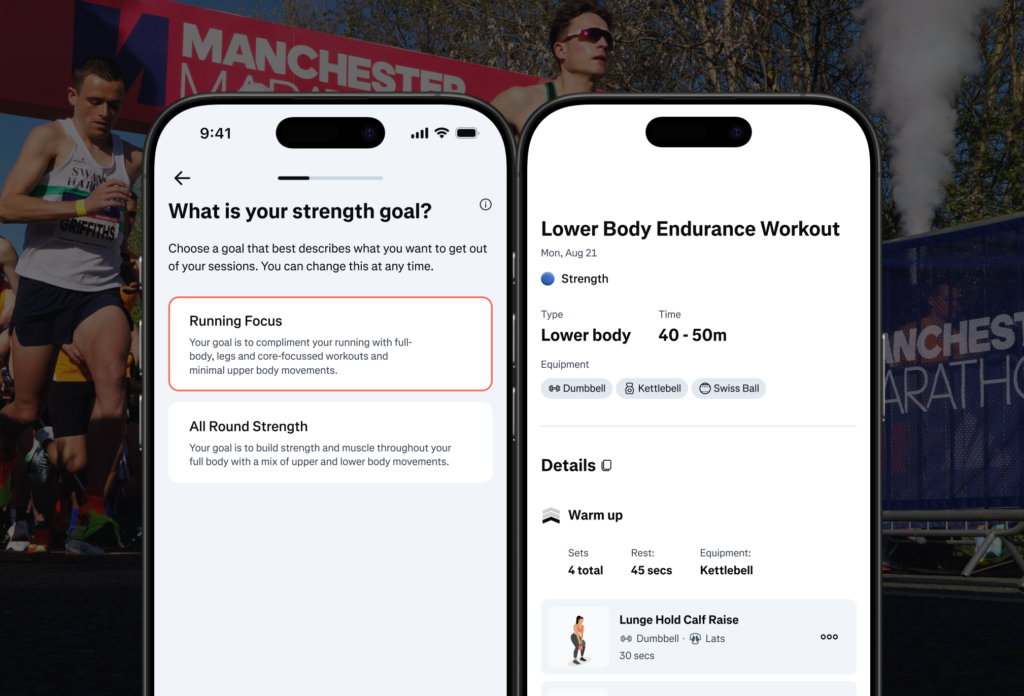
One or two short strength or pilates sessions a week, built around core, hips, glutes and single-leg work, are vital. Start early and it’s a habit that protects your body through the biggest weeks and makes you a stronger, more efficient runner. Leave it late and you leave strength on the table, which makes the final miles so much tougher.
Strength training for runners. Read more on Runna.
A head start isn’t about doing more
Longer isn’t automatically better: beyond a certain point, extra weeks can add fatigue rather than fitness. Use the time to build patiently, not to pile on miles.
Not used to weekly running yet?
Be realistic about your starting mileage. Nobody trains at marathon level all year round, and you don’t need to. If you’re not there yet, that’s exactly what the early weeks are for. Gradually building up without burning out.
Browse Runna marathon training plans.
Marathon fitness can’t be rushed. Start today.
Runna by Strava knows what you’re capable of. See what time you could run if you trained with Runna, then unlock your personalised plan for free.
Use code MANCHESTERMARATHON27